ATL and BTL Advertising: What's the Difference?
A company's advertising budget is usually divided into two parts: ATL і BTL. The names come from the «line» in the budgets of old advertising agencies: mass media expenses were listed above the line, and everything else—below it.

What Is ATL Advertising?
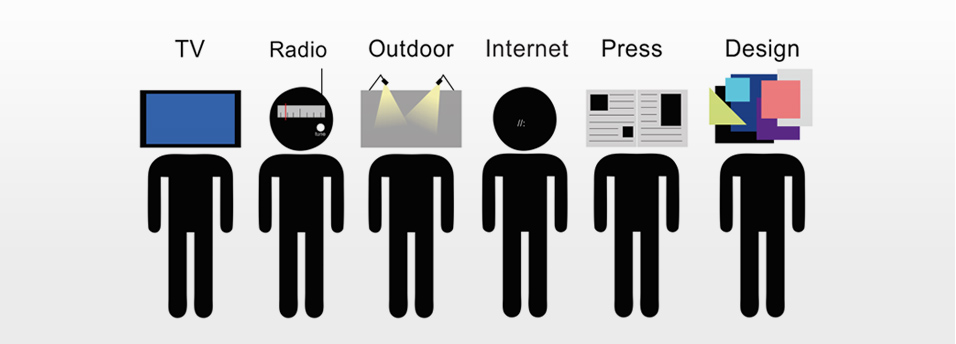
ATL (above the line) — Traditional advertising in the media. Its goal is reach: to ensure that as many people as possible learn about the brand.
ATL Channels:
- television and radio;
- press;
- outdoor advertising: billboards, citylights, transit advertising;
- advertising in movie theaters;
- Today, ATL often includes online media advertising: YouTube videos, banners, and broad-reaching social media campaigns.
The target audience for ATL is the general public. ATL typically accounts for the largest portion of the budget, since airtime and media placements are expensive.
What Is BTL Advertising?
BTL (below the line) — a set of marketing communications that target a specific customer rather than a broad audience. BTL includes:
- sales promotions: special offers, tastings, giveaways, and gifts with purchase;
- merchandising — the arrangement of merchandise in a store;
- POS materials: wobblers, shelf talkers, checkout displays;
- direct marketing: email campaigns, loyalty programs, personalized offers;
- PR and Special Events.
BTL delivers the message directly to the individual, in the most personal way possible and as close as possible to where they make purchasing decisions.
ATL and BTL: A Comparison
- Objective: ATL builds brand awareness, while BTL encourages people to buy right here, right now.
- Audience: ATL — mass audience; BTL — specific customer.
- Measurability: The impact of ATL is assessed through surveys and sales trends, while the results of BTL are measured more precisely: how many people participated in the promotion and how many made a purchase.
TTL: When Both Approaches Are Combined
Modern campaigns are rarely purely ATL or BTL. The approach TTL (through the line) It combines both: a video introduces viewers to the brand, while a loyalty program, promo code, or in-store promotion turns that interest into a purchase. In the digital world, the line is even thinner: the same advertising campaign can both reach an audience and generate leads that are visible in analytics.
Liberty creates advertisements at both levels: from commercials і corporate identity to loyalty programs і contextual advertising.